
Access
Tanks are often in basements or rooms that were built around them. Confirm the route the old tank will leave by and the new tank will arrive by, including door widths, elevators, ramps, floor loading and any need for a crane or lift.
Staging
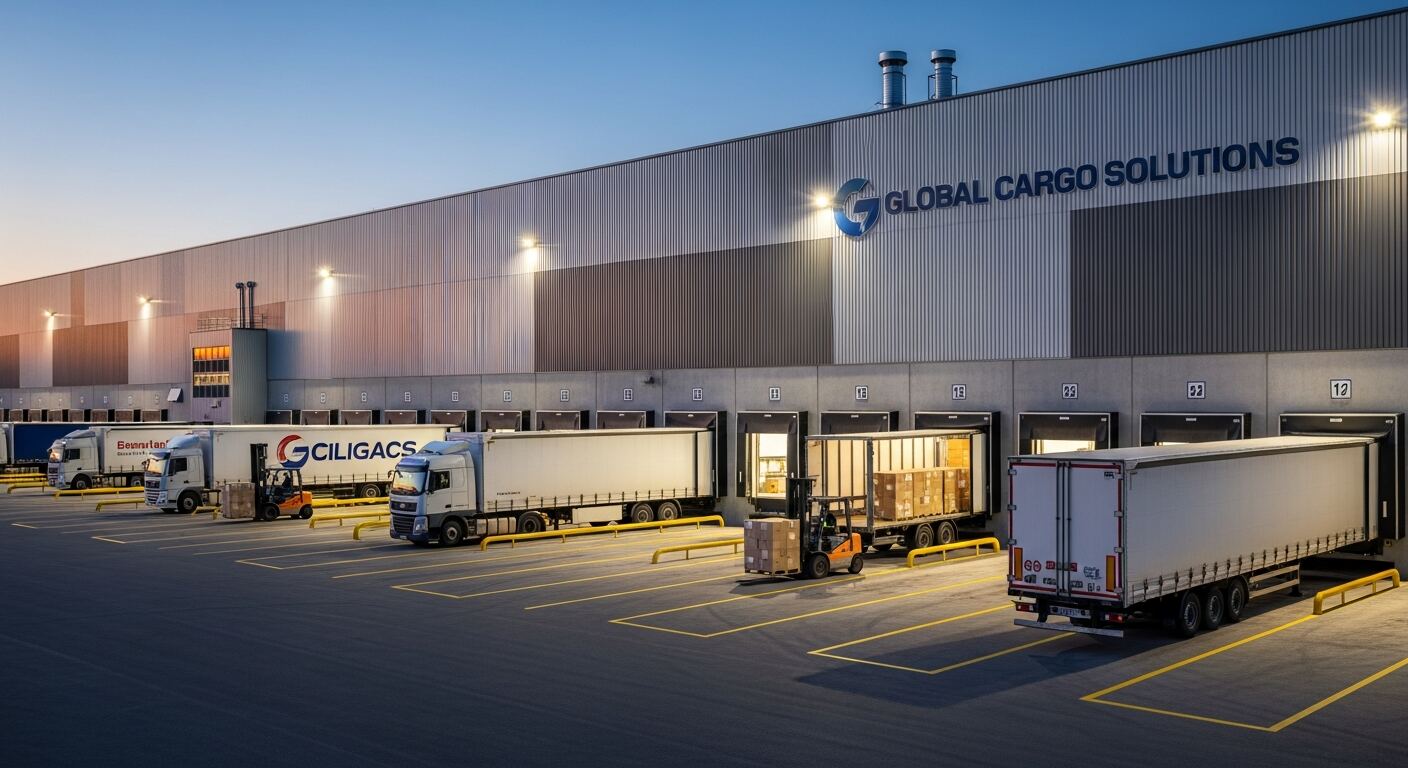
Plan where equipment and materials will be kept, how the work area will be separated from occupants, and when deliveries can be made without blocking loading areas or emergency routes.
Coordination
- Facility management and building operators
- Fuel distributor for pumping out and refilling
- Electrical and generator service contractors
- Fire-protection contractor if a fire pump is affected
- Consulting engineer where engineering is required
Shutdown planning
Agree when the generator can be out of service and for how long. Schedule noisy or disruptive work, odour-producing activities and lifts at times that suit the building's occupants.
Continuity of standby power
If the generator must remain available, temporary arrangements may be needed — such as temporary fuel provisioning to the day tank or a portable generator. Decide this early, since it affects both cost and schedule.
Commissioning
Before the old arrangements are removed, the new tank, piping, pumps, controls and alarms are tested. The generator is run on the new system, and documentation is provided for the owner and fuel distributor.
Related services: Emergency Generator Fuel Systems and Fuel System Design & Installation.
Need Site-Specific Advice?
Every facility is different. If you have received a deficiency report, we can review it and provide a detailed plan for corrective action.
Upload Inspection ReportOfficial Sources
This article is general information, not advice for a specific installation. Requirements depend on the system and its circumstances; confirm them with TSSA, your fuel distributor or a qualified contractor. Work completed in accordance with applicable Ontario regulations, TSSA requirements and current project-specific codes and standards.