
Why stored diesel deteriorates
Diesel kept for emergency use can sit for long periods between significant run times. Condensation adds water to the tank, and microbes can grow where fuel and water meet. Over time, sludge and sediment collect at the tank bottom, where the supply line can draw them into the engine's filters.
Warning signs you can observe
- Fuel filters plugging or needing replacement more often during load tests
- The generator or fire pump starting poorly, surging or losing power under load
- Water found when the tank bottom is checked or sampled
- Fuel samples that are hazy, dark or contain visible particles
- Slime or dark mats on sampled fuel or filter elements
- Fuel that has been stored for years without being tested
How fuel is tested
Testing starts with a sample taken from the bottom of the tank, where water and sediment collect. A visual check shows whether the fuel is clear and bright. Laboratory or field tests can then measure water and sediment and detect microbial growth.
Assessing contamination
The results show whether the problem is limited to water and sediment at the bottom of the tank or whether the fuel itself has degraded. The tank's condition and the volume of fuel affect what makes sense next.
Next steps
- Remove free water and sediment from the tank bottom.
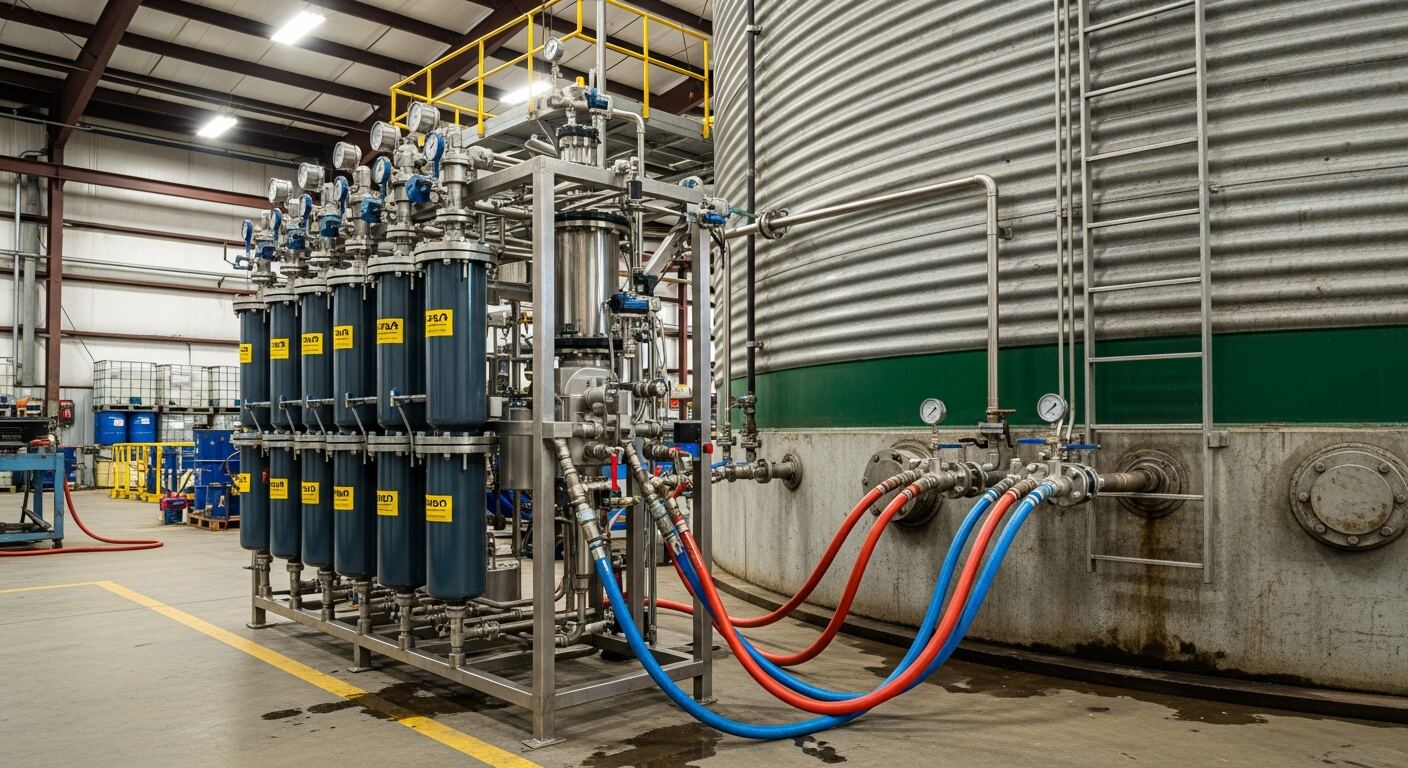
- Polish recoverable fuel to remove contaminants.
- Clean the tank if sludge has accumulated.
- Replace fuel that cannot be economically recovered.
- Set a sampling interval so contamination is found before it causes a failure.
Related service: Fuel Testing, Cleaning & Polishing.
Need Site-Specific Advice?
Every facility is different. If you have received a deficiency report, we can review it and provide a detailed plan for corrective action.
Upload Inspection ReportOfficial Sources
This article is general information, not advice for a specific installation. Requirements depend on the system and its circumstances; confirm them with TSSA, your fuel distributor or a qualified contractor. Work completed in accordance with applicable Ontario regulations, TSSA requirements and current project-specific codes and standards.