Which systems this applies to
Ontario's fuel-oil regulation, O. Reg. 213/01, sets out requirements for fuel-oil installations, including periodic inspection. In practice, many building owners first hear about it through their fuel distributor, who may require a comprehensive inspection at least once every ten years before continuing to supply fuel.
For the buildings we work in, this usually means the diesel storage and transfer systems serving emergency generators and diesel fire pumps. Whether and when an inspection is required depends on the installation, so confirm the requirement for your site with your distributor or TSSA.
How to prepare
- Locate previous inspection reports, installation records and any outstanding deficiency notices.
- Confirm who will provide access to the generator room, fire-pump room, tank locations and fill points.
- Identify when the generator or fire pump can be run or briefly taken out of service if testing requires it.
- Make sure tanks, valves and piping are accessible rather than blocked by stored materials.
What the inspection involves
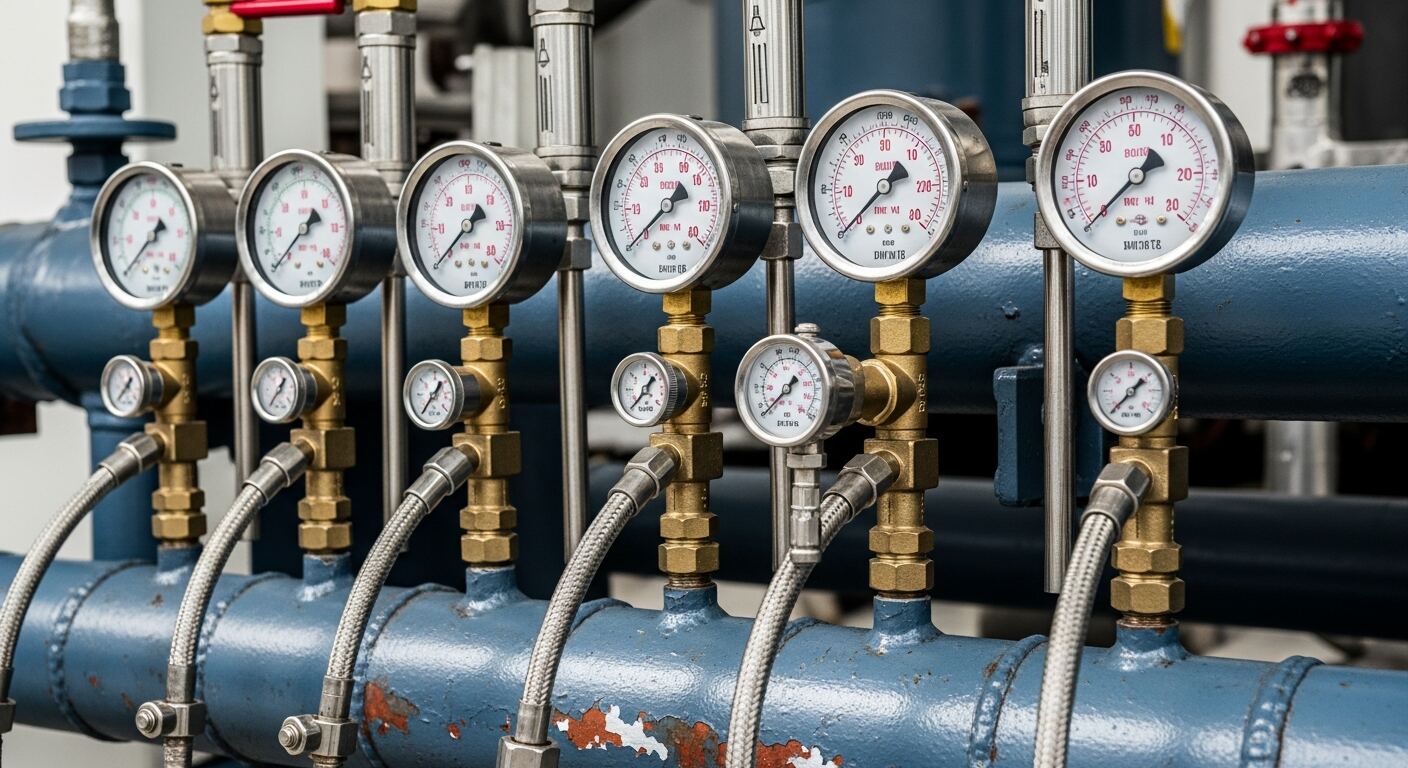
The inspector examines the complete fuel system rather than a single component. That typically includes the tanks and their supports, secondary containment, venting and fill arrangements, piping and valves, transfer pumps and controls, level indication and alarms, and the general condition of the installation.
Items are compared with the requirements that apply to the installation. Older systems are often found to differ from what is expected of a current installation, particularly around containment, venting and safety valves.
Documentation you should receive
A comprehensive inspection should produce a written report describing the system, the items inspected and any deficiencies found. Keep this report with the building's records — the distributor, future inspectors and any contractor correcting deficiencies will need it.
Next steps if deficiencies are found
- Read the report for any deadline attached to the deficiencies.
- Have each deficiency reviewed on site; corrections often affect other parts of the system.
- Obtain a corrective scope that addresses every cited item and identifies any engineering or variance required.
- Keep the documentation of completed corrections with the original report so the file can be closed.
Related services: CSA B139 & TSSA Compliance Upgrades and Inspections, Commissioning & Reports.
Need Site-Specific Advice?
Every facility is different. If you have received a deficiency report, we can review it and provide a detailed plan for corrective action.
Upload Inspection ReportOfficial Sources
This article is general information, not advice for a specific installation. Requirements depend on the system and its circumstances; confirm them with TSSA, your fuel distributor or a qualified contractor. Work completed in accordance with applicable Ontario regulations, TSSA requirements and current project-specific codes and standards.